In St. Augustine, maintaining the health and beauty of our landscapes is vital for the well-being of our environment and property values. One important aspect of tree care that cannot be overlooked is regular tree trimming. Effective trimming not only promotes healthier trees but also enhances the aesthetic appeal of our surroundings.
Tree trimming involves the careful removal of specific branches to improve the tree’s structure and reduce potential hazards. Proper trimming techniques contribute to the overall longevity of trees and help mitigate risks posed by overgrown or damaged branches. By investing in regular tree trimming practices, we ensure the robustness of our trees, protect our property, and elevate the natural beauty of our landscape.
Join us as we delve into essential tree trimming tips to help keep your St. Augustine trees healthy and your landscape pristine. From understanding the best practices to avoiding common mistakes, mastering the art of tree trimming will empower you to take proactive steps in maintaining a thriving outdoor space.
1. Understanding the Importance of Tree Trimming
Overview of Tree Trimming Benefits
Tree trimming is essential for maintaining the health and safety of trees in your landscape. Regular trimming helps remove dead or diseased branches that could become hazards. Healthy trees also gain better exposure to sunlight and airflow, which boosts overall growth. By cutting back overgrown limbs, we prevent structural issues and promote a more robust tree structure.
Impact on Tree Health and Growth
Proper trimming stimulates stronger growth patterns, enabling trees to reach their full potential. By removing weak or competing branches, the tree can direct its energy toward healthier growth. This practice reduces the risk of disease and pest infestations, as well-trimmed trees are less likely to have congested or damaged areas where issues can fester. Encouraging a strong, disease-resistant tree helps ensure longevity and vitality.
Enhancing Aesthetic Appeal and Property Value
A well-maintained tree contributes significantly to the visual appeal of your landscape. Trees with well-managed canopies and balanced shapes enhance the aesthetic qualities of your property. Moreover, attractive and healthy trees can increase property values by creating a welcoming environment. By integrating routine trimming into your landscape maintenance, you invest in both the beauty and value of your property.
2. Best Practices for Tree Trimming in St. Augustine
Timing: When to Trim Trees
Timing is crucial for effective tree trimming. The best time to trim most trees in St. Augustine is during their dormant season, usually in late winter or early spring. This period minimizes stress on the trees and reduces the risk of disease transmission. However, some trees, like flowering varieties, may require trimming immediately after blooming. Adjust your trimming schedule according to the specific needs of each tree species in your landscape.
Tools and Equipment: What You Need
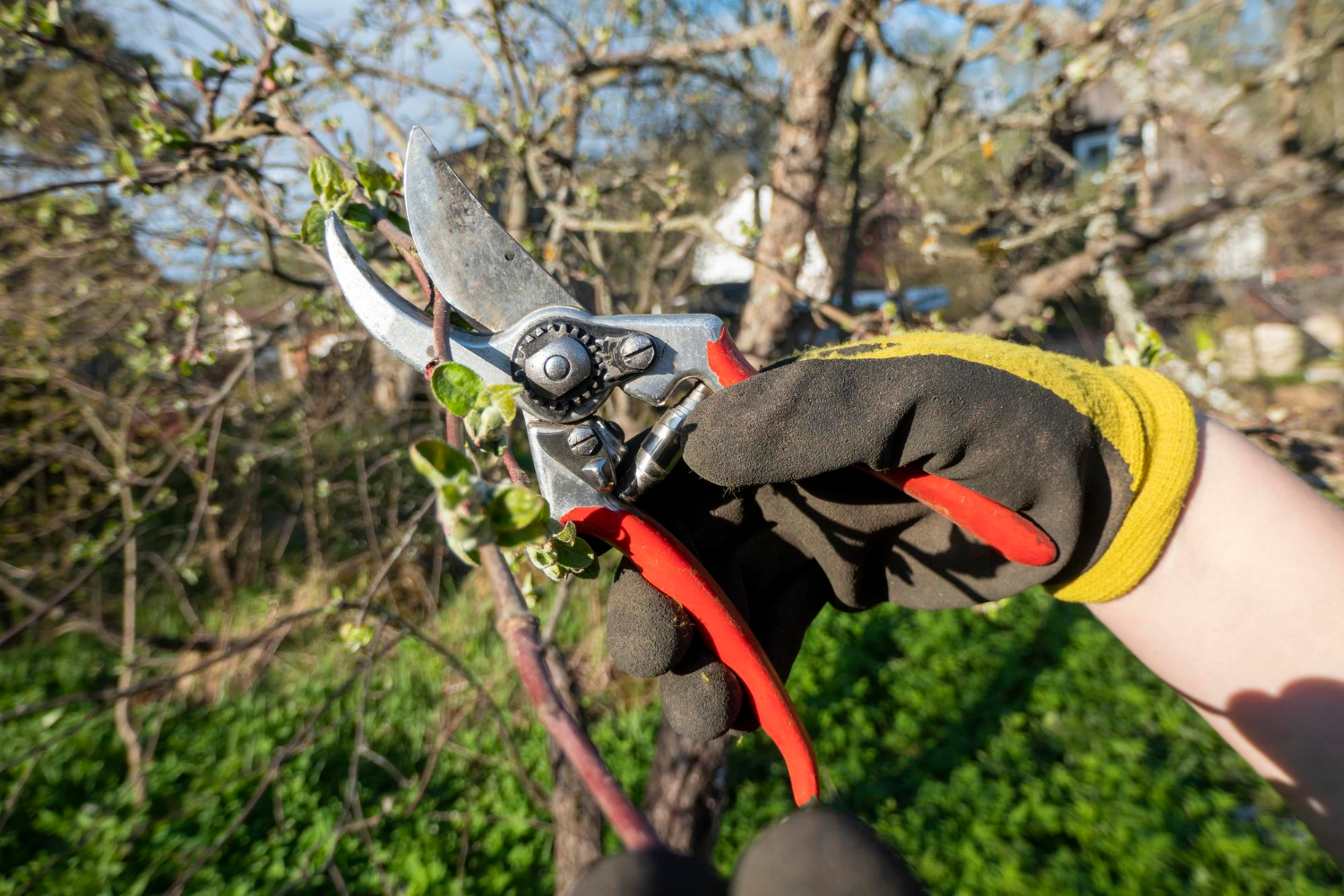
Having the right tools is essential for safe and efficient tree trimming. Basic tools include pruning shears for small branches, loppers for medium-sized branches, and a pruning saw for larger limbs. Pole pruners can extend your reach for high branches, while protective gear like gloves, safety glasses, and sturdy clothing ensure your safety during the process. Use clean, sharp tools to make precise cuts and minimize damage to the tree.
Safety Measures: Protecting Yourself and Your Property
Prioritize safety when trimming trees. Assess the area around the tree for potential hazards, such as power lines or nearby structures. Plan your work to avoid accidents and falls. Wear appropriate protective gear, and never trim trees alone; having a partner can provide assistance if needed. If a branch is too large or difficult to reach safely, consider hiring professional tree trimming services. By taking these precautions, you ensure the well-being of both yourself and your property during the trimming process.
3. Step-by-Step Guide to Effective Tree Trimming
Assessing the Tree’s Needs
Before you start trimming, it’s crucial to evaluate your tree’s current health and structure. Look for dead, diseased, or damaged branches that need removal. Assess the tree’s overall shape and identify areas where thinning is necessary. This initial assessment helps you plan your trimming and ensures you address all vital aspects of maintaining the tree’s health and appearance.
Removing Dead, Diseased, and Damaged Branches
Start by cutting away any dead, diseased, or damaged branches. These branches attract pests and diseases, posing a threat to the tree’s overall health. Make clean cuts at a slight angle, just above the branch collar, to promote healthy healing. Removing these problematic branches allows the tree to focus its resources on healthy growth.
Encouraging Proper Growth Patterns
Next, trim branches that are growing inward, rubbing against each other, or forming narrow angles. This step helps prevent future structural issues and encourages a balanced growth pattern. Focus on thinning out crowded areas to increase air circulation and sunlight penetration, which are essential for the tree’s vigor.
Post-Trimming Care and Maintenance
After trimming, it’s vital to care for your tree to help it recover and thrive. Water the tree thoroughly, especially during dry periods, and apply mulch around the base to retain moisture. Regularly check for signs of disease or pest infestations and address any issues promptly. Proper post-trimming care ensures your tree remains healthy and strong.
4. Addressing Common Tree Trimming Mistakes and How to Avoid Them
Over-Pruning: Dangers and Prevention
Over-pruning can severely stress a tree, weaken its structure, and make it more susceptible to disease. Avoid removing more than 25% of the tree’s foliage at once. Stick to gradual pruning over several seasons to allow the tree to adjust and recover.
Incorrect Cutting Techniques
Using incorrect cutting techniques can harm your tree and slow its recovery. Always use clean, sharp tools to make precise cuts. Avoid leaving stubs, which can decay and harbor pests, and refrain from making flush cuts that remove the branch collar. Proper technique promotes healthy healing and growth.
Ignoring Seasonal Considerations
Failing to consider the best time for trimming can negatively impact your tree’s health. Trim most trees during their dormant season to reduce stress and minimize disease risk. Be aware of specific needs for different tree species, and adjust your trimming schedule accordingly. Ignoring seasonal factors can lead to slow recovery and increased vulnerability.
Conclusion
Maintaining the health and vitality of your trees is an ongoing commitment that significantly enhances the beauty and value of your landscape. By understanding the importance of tree trimming, following best practices, and being mindful of common mistakes, you can ensure your trees thrive in the vibrant St. Augustine environment.
Trimming your trees not only promotes better growth but also safeguards your property and enhances its visual appeal. Regular care and attention to your tree trimming routine make a world of difference in your landscape’s overall health and aesthetics.
For personalized tree trimming services tailored to the unique needs of your St. Augustine property, trust the experts at Ancient City Arbor. Our professional team is dedicated to helping you maintain a healthy, beautiful landscape year-round. Contact us today to schedule a consultation and keep your trees in pristine condition.