October in St. Augustine brings a welcome break from the summer heat, and for a lot of homeowners, it is the first real chance to step outside and take a good look at the yard after a long, stormy season. The wind and heavy rain may be behind you, but storm damaged trees do not always look damaged. A tree can come through a tropical system standing tall and still be carrying a cracked limb, a loosened root plate, or a broken branch hung up high in the canopy.
That is what makes storm damage dangerous. The problems you cannot see from the driveway are often the ones that fail later, sometimes on a calm day, sometimes during the next cold front. And hurricane season does not officially end until November 30, so there is still time for another round of wind.
This guide walks you through what to look for on your property this fall, which warning signs mean a tree needs professional attention, and what your options are once you know what you are dealing with. No guesswork. No surprises. Just a clear plan for protecting your home and your trees.
Why Storm Damaged Trees Are Easy to Miss
Most people expect storm damaged trees to be obvious: a tree on the roof or a limb across the road. Those situations happen, but they are only part of the picture. A lot of the damage storms cause is quiet and slow to show up.
Damage often starts where you cannot see it
Strong wind pushes a tree back and forth for hours. That movement can crack wood inside a trunk or at the point where a big limb joins the tree. It can also stretch and tear roots below the soil line. From the ground, storm damaged trees may look perfectly normal for weeks or months.
Homeowners and professionals see risk differently
Researchers at the University of Florida found that most homeowners have a hard time judging storm damage to their trees accurately. In their study, people tended to focus on visible flaws, while trained evaluators also weighed what the tree could actually hit if it failed, such as a house, a car, or a place where people gather. With storm damaged trees, that gap can lead to two bad outcomes: removing a tree that could have been saved, or keeping one that is truly a hazard.
Sandy soil and saturated ground add to the risk
Much of St. Johns County sits on sandy soil that can become soft and saturated after days of heavy rain. When the ground is waterlogged, roots lose grip. A tree that shifted slightly during a storm may not have settled back the way it should, and that is not always visible unless you know where to look.
How Can You Tell If a Tree Was Damaged in a Storm?
You can spot many warning signs yourself by walking your property slowly and looking at each tree from the ground up. Start at the base, move up the trunk, and finish with the canopy. Stay out from under any tree that already looks unstable, and never climb a damaged tree to get a better look.
Here are the most common signs of storm damaged trees in the St. Augustine area:
- New lean: A tree that was straight before the storm and now tilts, especially toward your home, driveway, or power lines.
- Lifted or cracked soil: Raised soil, cracks in the ground, or exposed roots on one side of the base.
- Cracks or splits in the trunk: Vertical cracks, splits where two main stems meet, or bark that has peeled away in strips.
- Hanging branches: Broken limbs caught in the canopy, sometimes called “hangers,” that can drop without warning.
- Heavy canopy loss: Large sections of the crown stripped of limbs, not just leaves.
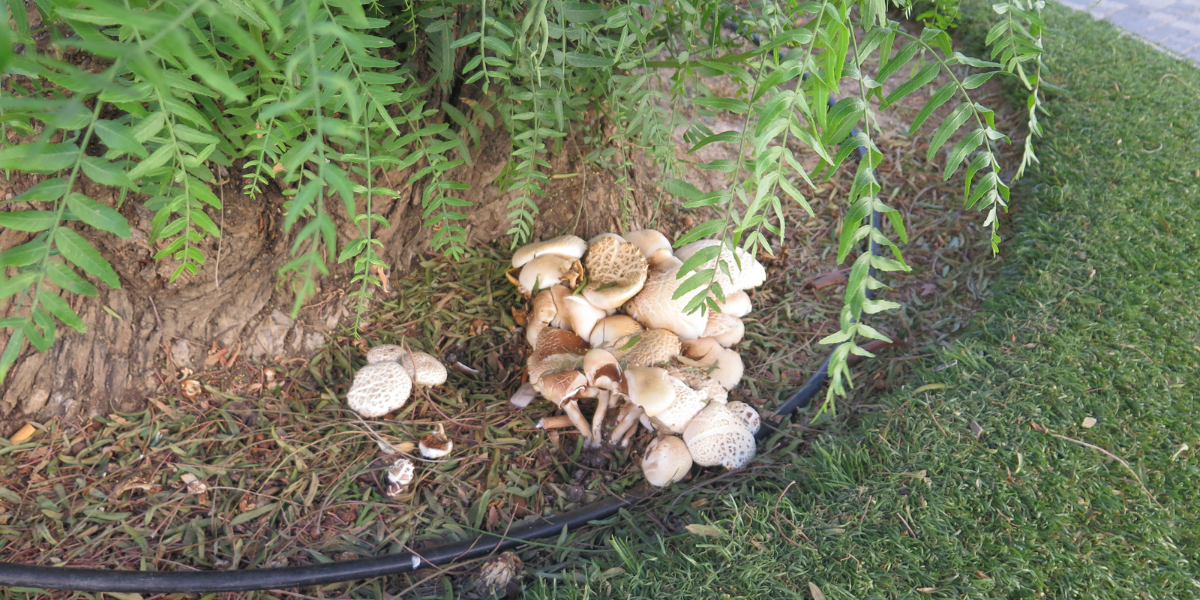
- Mushrooms or fungus at the base: A possible sign of root decay, which can get worse after long periods of wet soil.
If you notice any of these, the safest next step is to have an experienced crew take a closer look before you decide what to do.
Which Storm Damaged Trees Need to Come Down?
Not all storm damaged trees need to be removed. But some damage is serious enough that keeping the tree puts your property and your family at risk. The UF/IFAS guide to assessing hurricane damaged trees points to a few clear red flags.
Serious trunk and root damage
A cracked or broken lower trunk is one of the most serious defects a tree can have. The same goes for major roots that have been snapped or torn. When a tree loses the structure that holds it up, it can fail at any time, and repairs usually are not an option.
Large broken limbs and split stems
According to UF/IFAS, broken limbs larger than about 8 inches across, or a stem that has split away from the main trunk, are strong signs a tree may not be worth saving. These wounds are large, slow to close, and open the door to decay.
Leaning toward something valuable
A tree that now leans toward your house, a road, or overhead lines is a serious concern, particularly if the soil around the base has lifted. In these cases, professional tree removal in St. Augustine is often the safest choice. Tree removal can be extremely dangerous, especially when a tree is already under stress, so this is not a job for a ladder and a chainsaw.
Too much canopy lost
UF/IFAS notes that pines with roughly 30 to 50 percent of the canopy damaged may not survive, and hardwoods like live oaks with 50 to 70 percent canopy loss are often beyond recovery. Every tree is different, which is why an on site look matters.
Can Storm Damaged Trees Be Saved?
Yes, many storm damaged trees can be saved. If the trunk, major limbs, and roots are intact and there are no cracks or signs of decay, a tree often has a good chance of recovering with the right care. Trees that lost mostly leaves and small branches tend to bounce back well.
UF/IFAS points out that younger trees, trees with only small broken branches, and trees that were stripped of leaves but are otherwise sound are generally good candidates for restoration. Live oaks, a common sight around St. Augustine, are known for holding up well in wind and can often recover when their main structure is sound.
Saving a tree usually means removing what is broken and helping it regrow in a healthy, balanced way. That is where careful pruning comes in.
Fall Care Steps for Storm Damaged Trees
Once you know which trees are worth keeping, fall is a practical time to get them cleaned up and ready for the months ahead. Cooler temperatures make the work more comfortable, and handling problems now means you are not scrambling when the next front or storm rolls through.
Remove dead and broken wood first
Broken and dead limbs are the most immediate hazard on a tree that survived a storm. They can fall on a roof, a car, or a person standing underneath. Professional deadwooding in St. Augustine removes those weak branches before they come down on their own.
Make clean, proper cuts
Torn stubs and jagged breaks heal poorly and invite decay. Proper tree trimming and pruning cleans up those wounds with cuts that give the tree its best chance to close them over time. The goal is to help the tree, not strip it bare.
Avoid topping and overpruning
It can be tempting to cut a damaged tree way back so it “cannot fall.” Topping actually weakens trees over the long run and leads to weak, fast growing sprouts that break easily in future storms. Removing only what needs to go is safer for the tree and for your property.
Keep an eye on the tree through winter
Some problems in storm damaged trees take months to show. Watch for new dieback in the canopy, fresh cracks, mushrooms at the base, or a lean that gets worse. If anything changes, have it checked again.
Is It Safe to Clean Up Storm Damaged Trees Yourself?
Picking up small sticks and leaves around storm damaged trees is fine for most homeowners. Anything bigger deserves real caution. Broken limbs and leaning trees are often under tension, and when you cut them, the wood can spring or roll in ways that are hard to predict.
Leave it to a professional if:
- The work requires a ladder, climbing, or cutting above your head.
- A limb or tree is touching, or close to, power lines. Stay away and contact your utility company.
- A tree is leaning on your house, fence, or another tree.
- You are unsure whether the trunk or roots are damaged.
Hiring a crew that is licensed and insured protects you in more ways than one. It keeps you off the ladder, and it keeps you from being responsible if something goes wrong on your property.
Getting Help From a Local, Family Owned Team
Ancient City Arbor is family owned and operated, and both partners have over 22 years in the tree service industry. That experience matters when you are trying to decide whether a storm damaged tree should stay or go. We are fully licensed and insured, and we offer 24/7 emergency tree service when a storm leaves you with an urgent problem.
Before we ever begin work, we provide a free estimate so there are no surprises. You get a clear explanation of what we see, what we recommend, and why. The decision is always yours.
Protect Your Property Before the Next Storm
Storm damaged trees are not always easy to spot, and the most serious problems are often hidden in cracked trunks, loosened roots, and broken limbs hanging high in the canopy. Walk your property this fall, look for new leaning, soil cracks, splits, and hangers, and keep your distance from anything that looks unstable. Many damaged trees can be saved with careful pruning and deadwooding, while others are safer to remove before they fail.
You do not have to figure it out alone. If you have questions about a tree on your property, we are happy to help. Contact Ancient City Arbor today for your free estimate and get the peace of mind that comes from knowing your trees are safe.