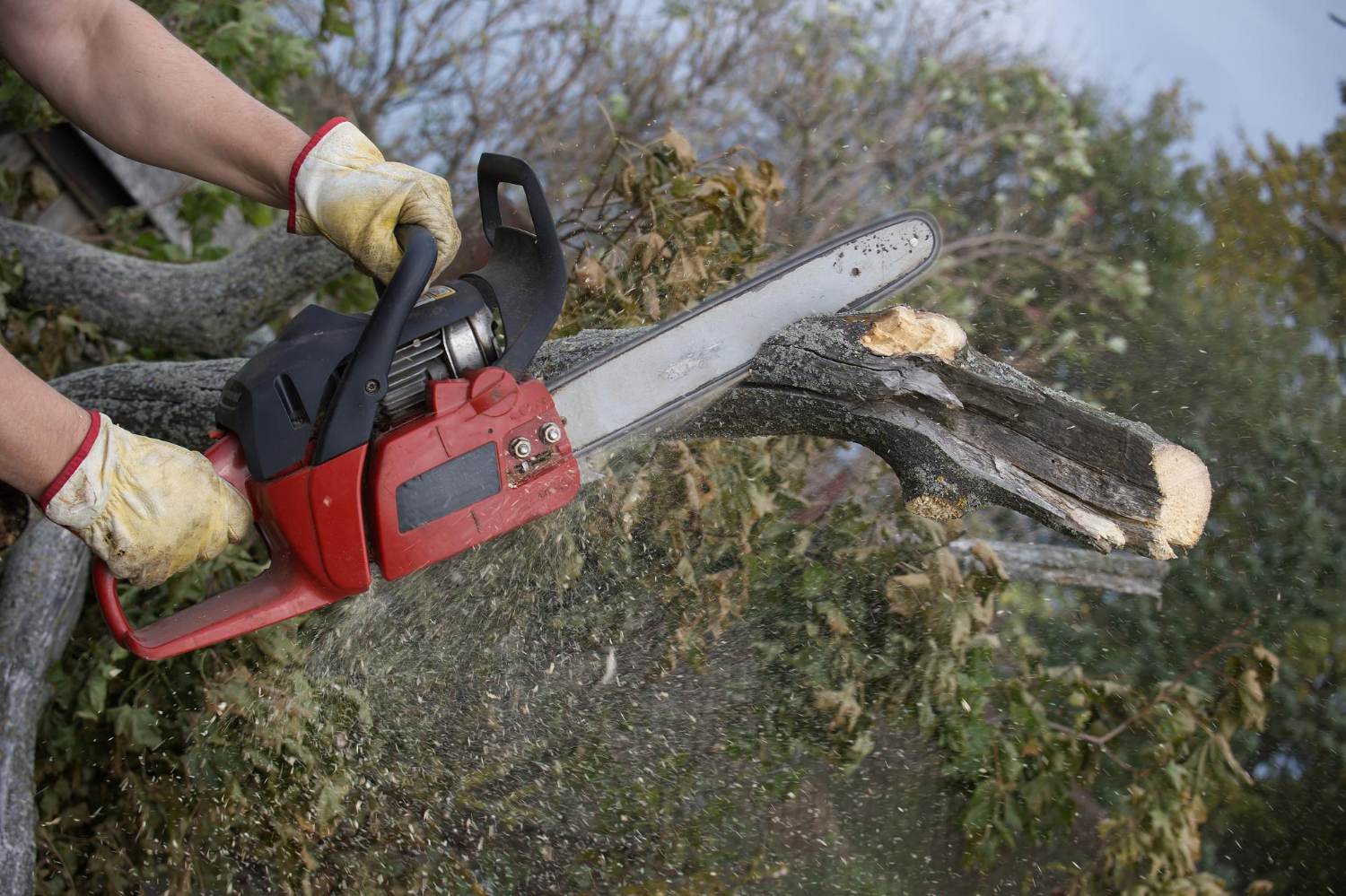
Maintaining a beautiful yard in St. Augustine involves lots of care, and tree trimming is one of the key tasks. Trimming trees not only makes your yard look neat but also keeps your trees healthy and safe. Whether you have towering oaks or decorative palms, regular trimming can improve your landscape’s overall appearance and health.
Tree trimming helps trees grow strong by removing dead or weak branches. This allows more sunlight and air to reach the healthy parts of the tree. Plus, a well-trimmed tree can handle strong winds better, reducing the chances of falling branches during storms. This is especially important given the stormy weather we often experience in St. Augustine.
Knowing the best times and methods for trimming your trees ensures you get the most benefit with the least harm. It’s not just about cutting branches randomly; it requires some planning and the right techniques. Done correctly, tree trimming can transform your yard into a stunning and safe outdoor space. Let’s dive into the simple steps and tips to get your trees in top shape while keeping them healthy and beautiful year-round.
Why Tree Trimming Matters in St. Augustine
Benefits for Tree Health
Tree trimming plays a vital role in maintaining tree health. Removing dead or diseased branches helps prevent decay from spreading to the rest of the tree. Trimming also improves the tree’s air circulation, which reduces the chance of fungal infections. By allowing more sunlight to reach the inner and lower parts of the tree, trimming encourages vigorous growth and overall vitality. It ensures your trees remain healthy and strong for years to come.
Improving Yard Aesthetics
A well-trimmed tree can make a big difference in your yard’s appearance. Removing overgrown branches gives trees a neat, well-maintained look. This helps in shaping the trees to fit perfectly in your landscape design. Additionally, trimming opens up spaces, making your yard look more spacious and inviting. An attractive yard can also improve your property’s curb appeal, benefiting you if you decide to sell your house in the future.
Enhancing Safety
Safety is a significant reason to keep your trees trimmed. Overgrown or hanging branches pose risks during storms, as they can break off and cause damage to property or injure people and pets. Trimming reduces the weight of heavy branches, minimizing the chances of breakage. Moreover, it ensures that the tree does not interfere with power lines or obstruct views while driving or walking, creating a safer environment for everyone.
Best Times of Year for Tree Trimming
Seasonal Guidelines
Trimming at the right time of year can make a big impact on tree health and growth. In St. Augustine, the best time to trim most trees is during the late winter or early spring before new growth begins. This timing allows trees to heal quickly and start the growing season strong. Avoid trimming in the fall, as this can encourage new growth that may not survive the winter.
Weather Considerations
Weather plays a crucial role in the timing of tree trimming. It’s important to choose a time when the weather is mild, avoiding extreme heat or cold. Trimming during a dry period helps reduce the risk of infections since wet conditions can promote disease. Also, avoid trimming immediately before a storm, as fresh cuts make trees more vulnerable to wind damage.
Species-Specific Tips
Different tree species have unique trimming needs. For example, oak trees should be trimmed in the winter to avoid the spread of oak wilt, a deadly fungal disease. Palm trees, common in St. Augustine, need trimming during the late spring or early summer when the dead fronds are easier to identify and remove. Understanding the specific requirements of each tree species in your yard helps ensure they remain healthy and beautiful.
How to Trim Your Trees Correctly
Essential Tools and Equipment
Having the right tools is key to successful tree trimming. You’ll need a pair of sharp pruning shears for small branches, loppers for thicker branches, and a pruning saw for larger limbs. Pole pruners can help reach high branches without using a ladder. Gloves, safety glasses, and a hard hat are important for personal safety. Make sure all your tools are clean and sharp to make precise cuts and reduce the risk of infection to the tree.
Step-by-Step Guide
- Inspect the Tree: Look for dead, diseased, or damaged branches that need to be removed.
- Start with Small Branches: Trim back small, thin branches using pruning shears to improve the tree’s shape.
- Remove Large Branches: Use a pruning saw for bigger branches, cutting just outside the branch collar to enable quicker healing.
- Shape the Tree: Trim to achieve a balanced appearance, ensuring no single side is heavier.
- Clean Up: Pick up all trimmed branches and leaves to keep your yard clean and prevent the spread of disease.
Common Mistakes to Avoid
Avoid over-trimming, as this can stress the tree and lead to poor growth. Also, steer clear of trimming too close to the trunk, which can damage the tree’s protective bark. Not cleaning your tools between cuts can spread disease from one branch to another. Improper cuts can also lead to poor healing and unsightly growth.
Post-Trimming Care and Maintenance
Checking Tree Health
After trimming, it’s important to monitor the health of the trimmed trees. Look for signs of stress like wilting leaves, discolored foliage, or unusual growth patterns. Regularly inspect the cuts for proper healing and check for any signs of infection or infestation. Promptly addressing any issues helps keep your trees healthy and vibrant.
Proper Cleanup Practices
A thorough cleanup is essential after trimming. Collect and dispose of all cut branches and leaves to prevent any disease spread. If you notice any diseased wood, remove it immediately and disinfect your tools. Using mulch around the base of the tree can help retain moisture and regulate soil temperature, promoting faster recovery after trimming.
Scheduling Regular Trimming Sessions
Consistent maintenance is key. Plan to trim your trees regularly, at least once a year for most species. Scheduling trimming sessions helps keep your trees in top shape, prevents overgrowth, and mitigates risks associated with weak or dead branches. Regular trimming also supports continual healthy growth and enhances the beauty of your landscape.
Conclusion
Taking care of your trees through proper trimming practices is crucial for maintaining a healthy and beautiful yard in St. Augustine. By understanding the importance of trimming, knowing the best times to do it, and following correct trimming techniques, you can ensure your trees thrive and your yard looks great. Post-trimming care and regular maintenance further contribute to the longevity and health of your trees.
Proper tree trimming can make a significant difference, whether you are tackling a small project or need expert help with larger tasks. For personalized tree care advice and services, contact Ancient City Arbor. Our expert tree trimmers in St. Augustine are ready to help keep your trees healthy and your yard beautiful.