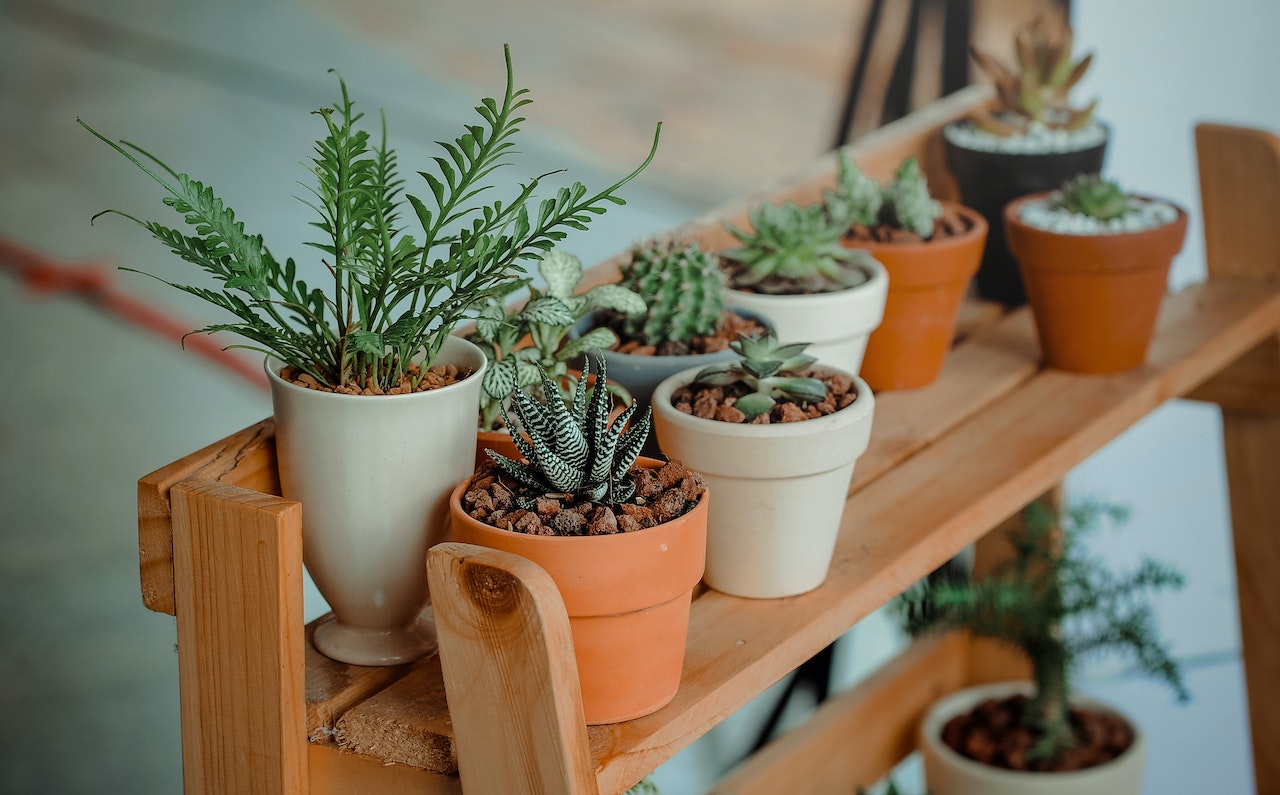
Plants rely on light for photosynthesis, the process they use to create their own food. They also use light to determine which way is up, and to grow towards the light. When a plant doesn’t get enough light, it becomes etiolated or stretched out.
Light for Plants
While light is essential for plants, too much light can be just as harmful as too little. Plants need a balance of light and shade to stay healthy. Too much sun can scorch leaves, while too little sun can cause leaves to yellow and drop off.
The best way to determine how much light your plants need is to observe them closely. Pay attention to their leaves and how they are oriented to the sun. Are the leaves pointing towards the sun, or are they turning away from it? Are the leaves healthy green, or are they starting to yellow?
If you notice your plants are not getting enough light, try moving them to a brighter spot. If they are getting too much light, try moving them to a spot that gets less sun. You can also try shading them with a light-colored sheet or cloth.
By paying close attention to your plants, you can ensure they get the right light to stay healthy and thrive.
Shade for Plants
While most plants need some sunlight to grow, there are some that prefer shady spots. These plants are known as shade-loving plants.
Some common shade-loving plants include:
- Ferns
- Mosses
- Fungi
- Liverworts
- Lettuce
- Spinach
- Swiss chard
If you are growing shade-loving plants, make sure they are getting enough light by placing them in a spot that gets dappled sunlight or filtered sunlight.
You can also try growing them under a tree or shrub. Just make sure the tree or shrub does not block all of the light.
When growing shade-loving plants, it is important to remember that they will likely grow more slowly than plants that prefer full sunlight. This is because they are not getting as much light.
If you want your shade-loving plants to grow faster, you can try growing them in a spot that gets morning sunlight and afternoon shade. Just make sure the spot does not get too hot in the afternoon, or you may find your shade plants scorched.
If you grow shade-loving plants, make sure you keep them watered and may need to water them more often than plants that prefer full sunlight.
The Perfect Balance of Light and Shade
It is important to remember that plants need a balance of light and shade. They need enough light to grow, but not too much that it burns their leaves or scorches them. If you are growing your plants in containers, choose a container that does not block the light from reaching the plant leaves.
It is also important to remember that all plants are different. Some are sun-lovers, while others are shade-lovers. Some are in between. Paying attention to their needs ensures they are getting the right amount of light to stay healthy and grow.
To Sum Up
In this article, you were introduced to two of the key aspects of plant growth – light and shade. When growing indoor plants, it is important to understand the relationship between light and shade. Plants need just the right amount of both to thrive.
Let a certified arborist in St. Augustine, FL help you take care of your plants. Ancient City Arbor is a professional tree service provider. Get in touch with us.