Mulch volcanoes are created when people pile mulch too high around the base of a tree. This can suffocate the tree’s roots, leading to its death.
Some people think that this is helpful because it provides nutrients and protection for the tree. However, too much mulch can actually be harmful to trees. It can cause the tree to rot, attract pests, and prevent water and oxygen from reaching the roots.
Let’s take a look at how mulch can affect your trees.
What is Mulch?
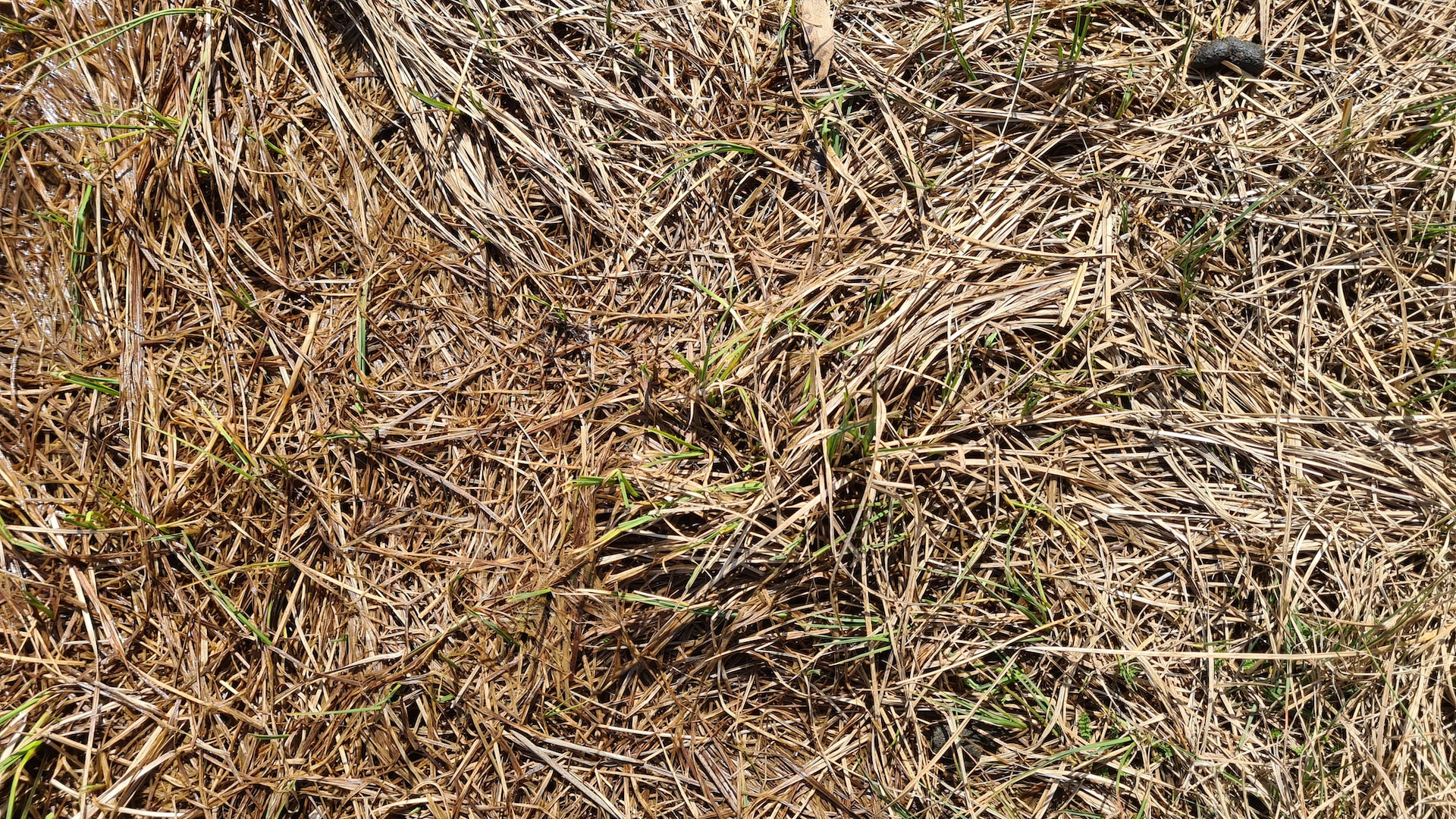
Mulch is a layer of material that is spread over the surface of the soil. It is usually made from organic materials such as leaves, grass clippings, or bark. Mulch can be used to improve the appearance of your landscape, help control weeds, and protect plants from extreme weather conditions.
Arborist wood chips are an excellent type of mulch for several reasons. For one, they help the soil retain moisture, which is great for plants that require a lot of water. They also help prevent weed growth and keep the soil warm in the winter and cool in the summer. Plus, they break down over time and add nutrients to the soil, making them an excellent choice for gardening.
Benefits of Mulch
Mulch has many benefits for both your plants and your soil. First of all, it helps the soil retain moisture. This is especially beneficial during periods of drought or extended dry weather. It also helps control weeds by blocking out the sunlight and preventing weed seeds from germinating.
Over time, mulch breaks down and adds nutrients to the soil. As it decomposes, mulch releases nitrogen, phosphorus, and other essential nutrients that help plants grow.
How Much Mulch Should You Be Using?
Mulch helps trees and shrubs by conserving moisture, suppressing weeds and moderating soil temperatures. Too much mulch, however, can lead to problems such as suffocation of roots and fungal diseases. The key is to apply mulch in the right amount.
Before spreading more mulch around your plants, check the depth of the existing mulch. If it is still within the recommended range, there is no need to add more. Just fluff it up so it looks nice and to let water through more easily. If some of the mulch has decomposed, add enough to bring the depth back to 2-4 inches.
What Are Mulch Volcanoes?
Mulch is often spread in a mound that slopes away from the tree’s trunk. This can cause problems for the tree through mulch volcanoes.
Mulch volcanoes can hold too much moisture around the tree’s trunk, which can lead to fungal diseases. The mulch can also suffocate the tree’s roots. If the mulch is too deep, the tree’s roots may start to grow up into the mulch, which can make the tree unstable.
What to Do If You Have Mulch Volcanoes?
If you have mulch volcanoes around your trees, you should remove the excess mulch. You can use a shovel or a rake to remove the mulch from around the tree’s trunk. Be careful not to damage the tree’s roots.
Conclusion
Mulch volcanoes can be harmful to trees. It’s important to keep mulch away from the tree’s trunk to prevent issues with fungal diseases and suffocation.
If you believe your tree might be suffering from mulch volcanoes, Ancient City Arbor can help. We are a tree medic in St. Augustine that will assess and improve your tree health. Get in touch with us today to learn how.