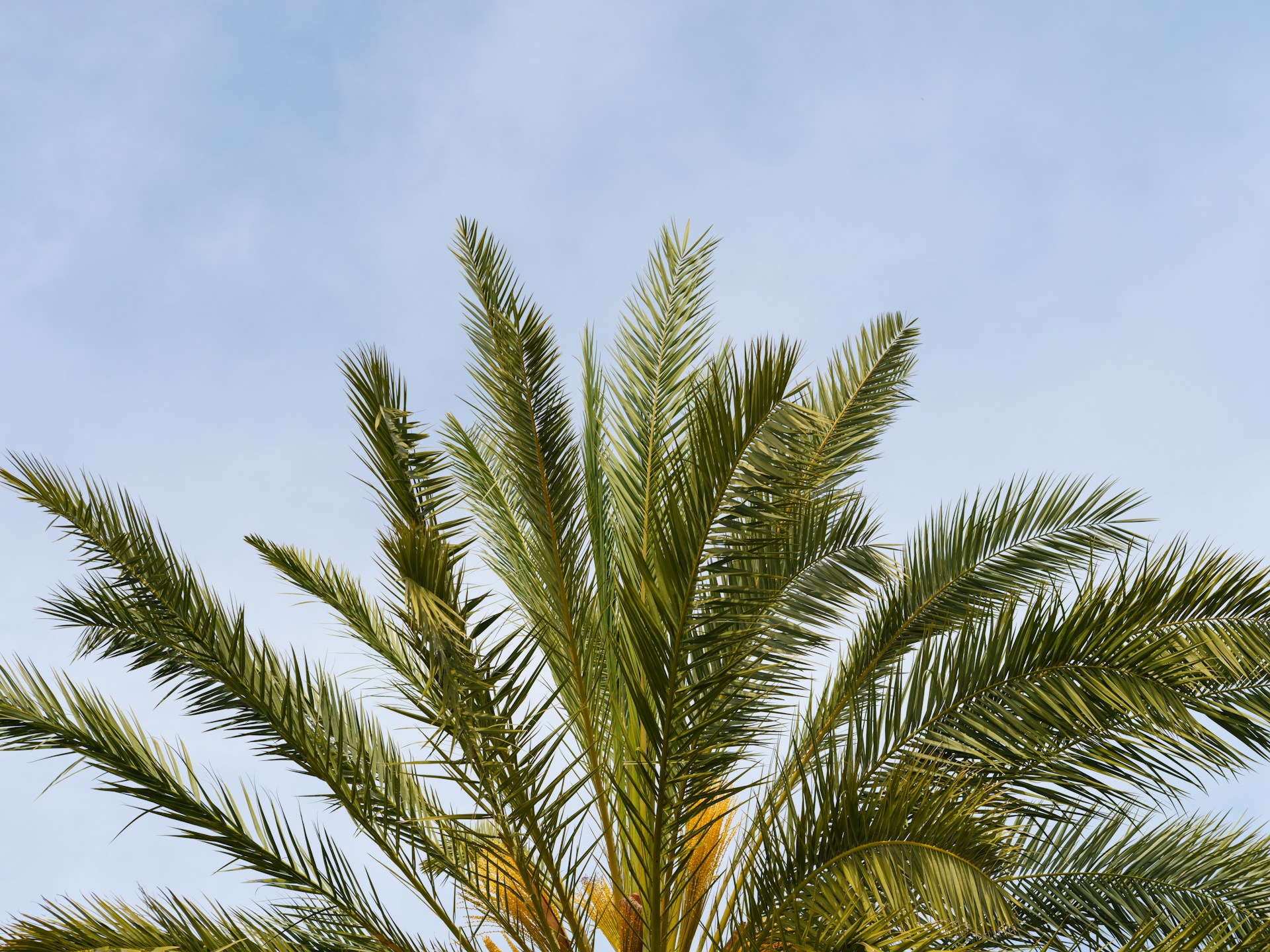
Nestled on the northeast coast of Florida, St. Augustine is known not just for its Spanish colonial architecture and Atlantic Ocean beaches but also for its stunning palm trees that add to the city’s allure. However, these majestic beauties are there for more than just their aesthetic appeal. They play a crucial role in the ecosystem, provide shade, and contribute to the tropical ambiance that St. Augustine is famous for.
But, like everything else in nature, they need proper care and attention to thrive. So, if you’ve been admiring these towering icons from afar and wondering how to keep them at their best, you’ve landed in the right place. We’re here to share some insider tips and tricks from experts to help you safeguard the beautiful palms of St. Augustine.
Whether you’re a proud palm owner or just a fan of these magnificent trees, this guide is sure to arm you with the knowledge you need to maintain their health and beauty.
Proactive Measures to Preserve the Palms of St. Augustine
1. Planting Your Palm Tree for Success
Setting the stage for your palm tree’s enduring health and beauty begins with proper planting techniques uniquely suited to St. Augustine’s coastal environment.
- Selecting a Species: Consider factors such as growth rate, overall size, and cold hardiness when selecting a palm species native or well-adapted to St. Augustine’s environment. Notable local species include Sable Palm, Windmill Palm, and Pindo Palm.
- Suitable Location: Choose a planting location with ample space for the tree’s mature size, taking into account light requirements, soil conditions, and potential impacts on underground utilities or nearby structures.
- Planting Procedure: Following best practices for planting depth and positioning, ensure the root ball is level with the ground and the tree stands straight. Backfill the hole with native soil and create a watering basin to promote deep root establishment.
By starting with a solid foundation, you can ensure the sustained health and growth of your beloved St. Augustine palm tree.
2. Optimal Watering and Fertilization Techniques
Just as with any living organism, proper hydration and nutrient supplementation is vital to your palm tree’s overall health and well-being.
- Watering Frequency: Newly planted palms require frequent, deep watering during the first few months of establishment, while established palms benefit from deep watering once or twice a week in dry conditions.
- Drought Tolerance: Some palm species are more drought-tolerant than others. Research the specific water requirements of your chosen species to ensure appropriate irrigation practices.
- Proper Fertilization: Providing your palm tree with a balanced, slow-release fertilizer specifically designed for palms can promote healthy growth and prevent nutrient deficiencies. It’s important to follow the recommended application rates and schedule to avoid over-fertilization.
Utilize Ancient City Arbor’s expert guidance to develop a tailored watering and fertilization regimen that meets the unique needs of your St. Augustine palm tree.
3. Essential Pruning and Trimming Practices
Maintaining your palm tree’s allure and integrity involves systematic trimming and pruning of fronds and fruit stalks to prevent pests and disease.
- Trimming Frequency: Regularly remove dead, damaged, or discolored fronds from your palm tree to maintain a healthy appearance and prevent pest infestations.
- Pruning Techniques: Use sharp, sterilized pruning equipment to make clean cuts without tearing or damaging the tree. Always use caution when removing large or heavy fronds, prioritizing personal safety.
- Over-pruning Risks: Avoid excessive pruning, as it can weaken the tree and increase susceptibility to pests and diseases. Palm trees rely on a robust canopy for overall health and nutrient production, so it’s essential not to over-prune.
Consult the knowledgeable arborists at Ancient City Arbor for expert advice on proper and safe palm tree pruning techniques specifically tailored for St. Augustine residents.
4. Preventing and Managing Common Palm Tree Pests and Diseases
Guarding St. Augustine’s enchanting palms from harmful pests and diseases is vital in preserving their health, beauty, and longevity.
- Common Pests: Some prevalent pests in our region include palm aphids, palm weevils, and the palm-destroying lethal bronzing disease. Early detection and targeted treatment can help minimize the impacts of these harmful invaders.
- Scheduled Inspections: Conduct regular visual inspections of your palm tree for signs of pests, disease, or nutrient deficiencies. Consult with professional arborists if you suspect any health concerns.
- Integrated Pest Management: Implement an integrated pest management (IPM) approach to prevent and control pests and diseases. This includes cultural, mechanical, and biological control methods, as well as the judicious use of chemical pesticides when necessary.
Allow the trained and experienced arborists of Ancient City Arbor to assist you in identifying, preventing, and addressing palm tree pests and diseases commonly found in St. Augustine landscapes.
Mastering the Art of Palm Tree Care in St. Augustine
In essence, the preservation and care of St. Augustine’s palms are a shared responsibility. Whether you’re a homeowner with a backyard full of palms or a visitor admiring their beauty, we all play a role in safeguarding these majestic trees.
Elevate the health and vitality of your landscape by calling on the expertise of Ancient City Arbor’s professional arborists in St. Augustine, FL. Schedule a consultation today and unveil the secrets to nurturing a lush, vibrant palm tree oasis that accentuates the sublime allure of our captivating coastal paradise.