As hurricane season approaches in St. Augustine, taking proactive steps to care for your trees becomes crucial. Hurricanes can cause significant damage to trees, affecting their health and stability. Understanding how to prepare your trees before a storm hits can prevent costly damage and enhance the safety of your property.
Trees can suffer a range of damages during hurricanes, from broken branches to uprooted root systems. Some tree species in St. Augustine are more vulnerable to storm damage due to their size, age, or structural weaknesses. Identifying these susceptible trees and taking preventative measures can make all the difference. Immediate actions post-hurricane, such as removing broken limbs and checking for structural integrity, can help trees recover more quickly.
After a hurricane, assessing and addressing the damage is essential for tree recovery. In some cases, professional tree removal and replanting may be necessary. Long-term care strategies and regular maintenance will ensure your trees remain healthy and resilient against future storms. By following these effective tree care practices, you can protect your landscape and enhance the beauty of St. Augustine’s environment.
Understanding the Impact of Hurricanes on Trees
1. Common Types of Damage
Hurricanes can cause severe damage to trees, affecting their overall health and structure. The most common type of damage includes broken branches, which can be hazardous if they fall on power lines or property. Trees can also suffer from uprooting, especially if the soil is waterlogged.
Broken trunks are another frequent issue; these can compromise the tree’s stability and lead to long-term health problems. Trees that survive may still experience significant stress, making them more susceptible to diseases and pests.
2. Vulnerable Tree Species in St. Augustine
Certain tree species in St. Augustine are more vulnerable to hurricane damage. For instance, shallow-rooted trees like the Southern Pine and the Red Maple are more likely to be uprooted. Likewise, the Laurel Oak, known for its weak wood structure, often suffers from broken branches and limbs.
Understanding which trees are more at risk allows us to take specific preventative measures, such as strategic pruning or providing extra support to these trees before hurricane season.
3. Immediate Actions Post-Hurricane
After a hurricane, it’s crucial to act quickly to mitigate further damage. First, inspect your trees for any immediate hazards, such as hanging branches or trees leaning dangerously. Remove any obvious debris to prevent accidents and further damage.
Assess each tree’s condition; some may need professional attention if they pose risks to safety or property. Quick action post-hurricane also involves checking for root exposure and treating any wounds to prevent infection or disease.
Preparing Trees for Hurricane Season
1. Pruning and Trimming Best Practices
Pruning and trimming are essential preparations for hurricane season. Proper pruning removes weak or dead branches that could become projectiles in strong winds. Focus on thinning the canopy to allow wind to pass through more easily, reducing the risk of breakage. Always use the right tools and make clean cuts to encourage quick healing. Regular pruning not only prepares trees for hurricanes but also maintains their overall health.
2. Strengthening Root Systems
A strong root system is vital for tree stability during hurricanes. One way to strengthen roots is by deep watering, which encourages roots to grow deeper into the soil. Applying mulch around the base of the tree can also help regulate soil moisture and temperature. Avoid piling mulch directly against the trunk to prevent rot. Healthy, deep roots anchor the tree firmly, reducing the risk of uprooting during storms.
3. Reinforcing Tree Structures
Reinforcing tree structures can offer additional support during hurricane season. Techniques such as staking or cabling can help stabilise young or vulnerable trees. Use flexible materials that allow some movement while still providing support.
For larger trees, professional arborists can install cables or braces to support weak branches or trunks. These reinforcements help trees withstand high winds and reduce the likelihood of structural failure.
Protective Measures During Hurricanes
1. Staking and Cabling Techniques
Using staking and cabling techniques can provide crucial support for trees during hurricanes. Staking is particularly useful for young or newly planted trees that haven’t yet developed strong root systems.
Use flexible materials to attach stakes, allowing trees to move naturally while still offering stability. Cabling, on the other hand, is used for larger, mature trees with weak branches. It involves installing high-strength cables between tree limbs to prevent breakage. Both techniques are essential for reducing the risk of tree failure during severe weather.
2. Safe Location and Planting Strategies
Choosing the right location for planting trees is another key factor in hurricane preparedness. Avoid planting trees too close to power lines, buildings, or other structures. Consider the mature size of the tree and ensure it will have enough space to grow without posing a risk.
Planting trees in groups can help them buffer the wind for each other, reducing the stress individual trees face during hurricanes. Proper spacing and strategic planning can help minimise damage and improve tree resilience.
3. Emergency Response and Readiness
Being prepared for emergencies is vital during hurricane season. Have a plan in place for addressing downed trees or major damage. This might include having contact information for local emergency services and professional arborists.
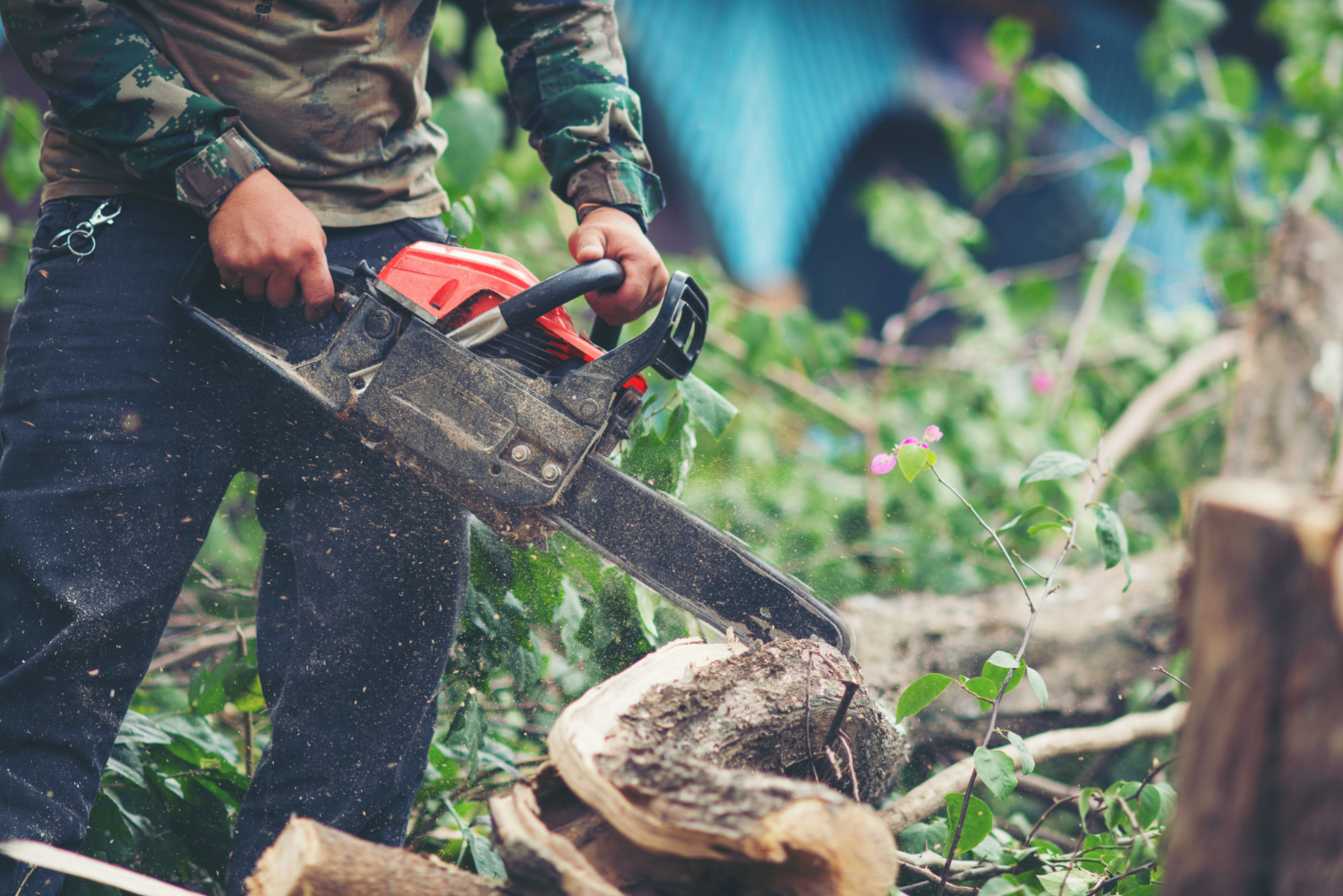
Make sure you have the necessary tools and equipment on hand, like chainsaws and safety gear. Knowing how to remove debris and perform temporary fixes safely can prevent further damage and ensure your safety until professional help arrives.
Post-Hurricane Tree Care and Recovery
1. Assessing and Addressing Damage
After a hurricane, it’s crucial to assess the damage to your trees carefully. Start by inspecting for immediate hazards like hanging branches or uprooted trees. Remove broken or hanging limbs quickly to prevent accidents. Look for signs of root damage, soil erosion, or splits in the trunk. For trees that appear severely damaged, consult a professional to determine if they can be saved or need removal.
2. Professional Tree Removal and Replanting
In some cases, professional tree removal may be the safest option. A certified arborist can safely remove hazardous trees and advise on the best way to proceed. If you need to replant, choose species that are known to withstand hurricanes better.
Following proper planting guidelines will help new trees establish strong roots and minimise future risks. Sometimes, replanting in a different location might also be necessary to ensure safety and tree health.
3. Long-Term Care Strategies and Maintenance
Sustained care and regular maintenance are essential for the long-term health and resilience of your trees. Regular pruning, proper watering, and fertilising can keep trees strong and healthy. Monitor for signs of disease or pest infestations, especially after the stress of a hurricane. Establish a routine inspection schedule to catch any issues early and address them promptly. This ongoing care will ensure that your trees remain a vibrant part of your landscape for years to come.
Building Tree Resilience: Hurricane Preparedness
Effective tree care practices are essential for safeguarding your landscape during hurricane season in St. Augustine. By understanding the types of damage hurricanes can cause, you can better prepare your trees to withstand these powerful storms.
Pruning, fortifying roots, and reinforcing tree structures will significantly reduce the risk of damage. In addition, taking protective measures during hurricanes and having a solid emergency response plan can make a substantial difference.
After the storm, addressing immediately visible damage and assessing the overall health of your trees is crucial. In some cases, professional help may be needed to remove or replant trees safely. Long-term care and regular maintenance further ensure that your trees remain healthy and resilient, ready to face future hurricane seasons.
For more personalised advice and assistance with tree care during hurricane season, contact Ancient City Arbor. Our expert arborists are here to help keep your trees healthy and your property safe with our affordable tree trimming services in St Augustine, FL.