By November, most St. Augustine homeowners are ready to stop thinking about storms. Hurricane season officially wraps up at the end of the month, the air finally cools off, and the yard gets a little quieter. It is also the best window of the year to deal with that tree you have been worried about since summer.
Winter tree removal gives you a chance to take care of a dying, leaning, or damaged tree before spring growth, nesting season, and the next round of tropical weather arrive. The work tends to be cleaner, easier to plan, and easier on your landscape. Waiting, on the other hand, often means dealing with the same tree under worse conditions or after it has already come down on its own.
This guide explains why late fall and winter make sense for tree removal in St. Augustine, which warning signs to look for, how Florida permit rules work, and what to expect when a professional crew takes on the job.
Why Is Late Fall a Smart Time for Winter Tree Removal?
Late fall is a smart time for winter tree removal because the biggest seasonal risks are behind you and the next ones are still months away. Storm season is ending, the ground is usually drier, many trees are less active, and you have time to plan instead of reacting to an emergency.
Here in Northeast Florida, our trees spend much of the year growing hard and holding on through wind and rain. Winter is the slow stretch. That pause makes it easier to judge a tree honestly and to remove it without rushing.
Hurricane Season Is Over, but the Damage May Not Be
A tree that made it through the summer is not always a healthy tree. Strong gusts can crack a trunk, loosen roots, or split a major limb without bringing the whole tree down. Those weaknesses often stay hidden until the next big storm finishes the job.
Winter tree removal means a compromised tree is gone before June brings the next hurricane season. You get to choose the date, the crew, and the plan. That beats a frantic call after a limb has already landed on your roof, your fence, or your car.
Thinner Canopies and Firmer Ground Make the Job Cleaner
Deciduous trees common in our area, such as red maple and sweetgum, drop their leaves in the cooler months. With less foliage in the way, a crew can see the structure of the tree clearly and plan each cut and lowering line with more precision.
Our cooler months are also typically drier than summer, when afternoon storms soak the ground almost daily. Firmer soil supports equipment better and helps protect your lawn, irrigation lines, and garden beds from ruts. Less foliage also means less debris to haul away, which keeps the cleanup faster.
Signs a Tree Should Come Down Before Spring
Not every struggling tree needs to be removed, but some warning signs are hard to ignore. If you notice any of the following, it is worth asking a professional whether winter tree removal makes sense:
- A new or worsening lean, especially if the soil on one side is heaving or cracked
- Deep cracks or splits running through the trunk or where large limbs meet the trunk
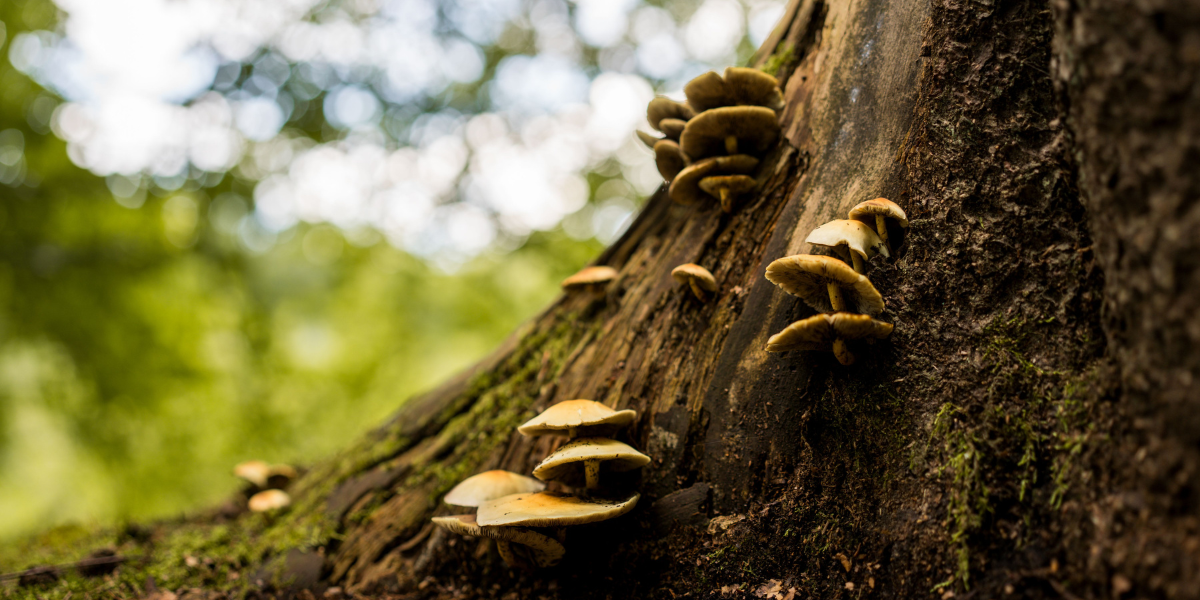
- Mushrooms or other fungal growth around the base or on the roots
- Large dead sections of canopy that did not leaf out this year
- Hollow areas, soft wood, or bark falling away in large patches
- Roots that were cut, crushed, or exposed during construction or a storm
Location matters just as much as condition. A declining tree in the back corner of a large lot is a very different concern than the same tree hanging over your bedroom or your neighbor’s driveway. When a weakened tree is close to your home, power lines, or areas where your family spends time, removal is usually the safest choice.
The same season that makes winter tree removal easier also makes some of these problems easier to spot. With leaves gone from deciduous trees, dead limbs and structural defects stand out. Walk your property on a clear afternoon and look up. If something looks off, trust that instinct and get a second opinion.
Do You Need a Permit for Tree Removal in St. Augustine?
It depends on where your property sits and why the tree needs to come down. The City of St. Augustine and St. Johns County each have their own tree protection rules, and some neighborhoods add HOA requirements on top of that. A healthy tree being removed for convenience may require approval, while a hazardous tree may not.
Florida law gives homeowners an important protection. Under Florida Statute 163.045 on residential tree removal, a local government cannot require a permit, fee, or replanting for removing a tree on a single family home lot if the owner has signed documentation from an ISA certified arborist or a Florida licensed landscape architect showing the tree poses an unacceptable risk. That means removal has to be the only practical way to bring the risk down below moderate.
The UF/IFAS Extension guide to tree removal questions also recommends checking local rules first and getting a written risk assessment before you act. Street trees and HOA common areas may follow different rules, so confirm with your board or the city before scheduling work on a tree near the road.
What Happens During a Professional Winter Tree Removal?
A professional winter tree removal starts with a walk around your property. The crew looks at the tree’s size, lean, and condition, plus everything around it: your house, fences, power lines, driveways, and landscaping. That visit is when you get a clear plan and a quote.
On removal day, the crew sets up a safe work zone and takes the tree down in sections whenever space is tight. Limbs are cut and lowered with ropes rather than dropped, so nothing lands where it should not. Once the trunk is down, the wood and brush are cut, loaded, and hauled away, and the area is raked and cleaned.
Experience matters here. Taking down a large oak or pine next to a home is not a weekend project, and it is not something to hand off to the lowest bidder without insurance. A licensed and insured team protects both your property and you if something unexpected happens. You can learn more about how we approach the work on our tree removal services in St. Augustine page.
What Should You Do With the Stump?
Once the tree is gone, you will have a stump left behind. Some homeowners leave it, but stumps can sprout new growth, attract insects, and get in the way of mowing or replanting. Grinding the stump below the soil line clears the space so you can lay sod, plant a new tree, or expand a garden bed. If you want that area usable by spring, ask about stump grinding after your tree comes down so both jobs are handled in one visit.
When Is Trimming a Better Choice Than Removal?
Removal is permanent, so it should never be the automatic answer. Many trees that look rough after a long summer can be saved with the right care. A tree with a few broken or dead limbs, or one that has grown too close to the roof, often just needs targeted work.
Winter is a great time for that kind of care as well. Pruning out dead wood, lifting low limbs, and reducing branches that hang over the house can lower risk while keeping the shade and beauty that make your property feel like home. Mature live oaks in particular are worth preserving whenever it is safe to do so. Professional tree trimming and pruning keeps healthy trees strong and can buy years of life for a tree that is only partly struggling.
An honest evaluation should tell you which path makes sense. If a tree can be saved, you deserve to hear that. If it cannot, you deserve to know why.
Get Ahead of Spring With Ancient City Arbor
Winter tree removal gives St. Augustine homeowners a calm, practical way to deal with risky trees before nesting season, spring growth, and the next hurricane season arrive. Look for warning signs like leaning trunks, cracks, fungus, and dead canopy, and check local rules before any work begins. Ancient City Arbor is a family owned, fully licensed and insured team with more than two decades of experience caring for trees across St. Augustine and St. Johns County. If a tree has been worrying you, do not wait for the next storm to decide. Contact Ancient City Arbor today to request your free estimate and start the new year with peace of mind.